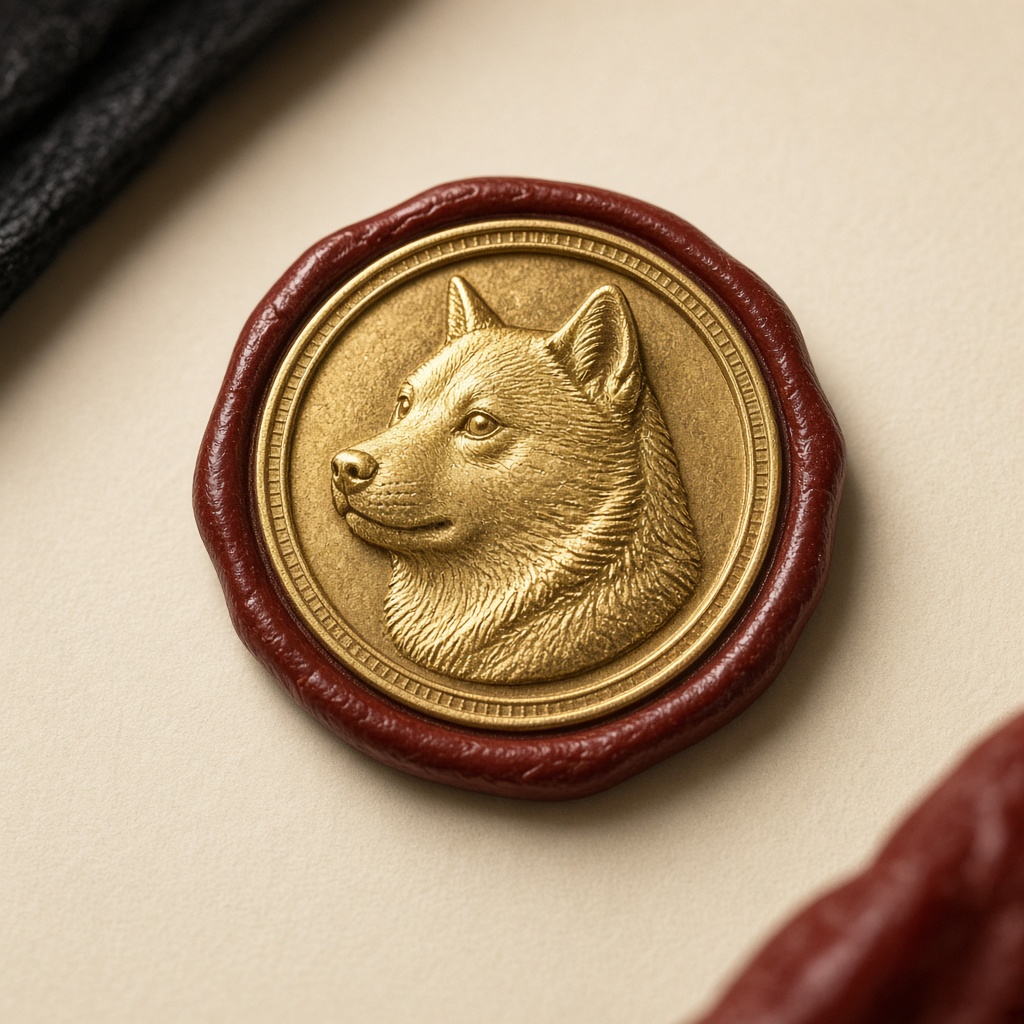
 Suchdoginals
much history
The joke got a ledger. Then the ledger got inscriptions.
Anyone who starts Doginals in 2023 is selling a sequel as an origin. Kabosu is 2010. Dogecoin is 6 December 2013. Random block rewards are an early-chain mess that still breaks honest indexers. Doginals is what happened when that chain met Ordinals. Read the tape, then hold the present on Doge Soft.
Atsuko Sato photographs Kabosu
A Shiba Inu in Sakura, Japan, looks slightly to camera. The picture will be stolen, captioned, and made immortal — first as a joke, then as a monetary mark.
Doge becomes a dialect
Comic Sans captions in broken interior monologue — “such wow”, “very currency” — spread across Tumblr and Reddit. The voice is the point: unserious on purpose.
Jackson Palmer buys Dogecoin.com
A splash page, a coin logo, Comic Sans. There is not yet a chain. Billy Markus, tinkering with a Nintendo-themed coin called Bells, writes to volunteer the software.
Dogecoin genesis
A Litecoin/Luckycoin descendant with one-minute blocks and random early rewards. Within a month the website logs more than a million visitors. The joke clears the room.
Tipping becomes the product
Reddit and Twitter learn to throw coins at kindness. Dogetipbot turns comments into a mint. Charity runs for a Jamaican bobsled team, a Kenyan well, a NASCAR paint scheme.
Random block rewards end
The first ~145,000 blocks paid a pseudorandom subsidy. A static reward replaces it. A decade later that early mess becomes the hardest problem in Doginals indexing.
Supply is left uncapped
Palmer argues against a 100 billion hard cap. Inflation becomes policy: roughly five billion new DOGE a year after the 100 billionth coin is mined in 2015.
The founders step away
Core maintainers inherit a joke that refused to die. Palmer later rejects crypto as extractive. Markus stays a dry witness. The chain keeps making blocks.
The 2021 boom
Reddit, TikTok, Elon Musk, a peak capitalization north of $80 billion. The meme learns what a liquidity event feels like. Then it forgets, as memes also do.
Bitcoin Ordinals
Casey Rodarmor ships a way to number satoshis and inscribe data onto them. Taproot makes the envelopes cheap. A culture of on-chain JPEGs detonates.
apezord/doginals
A minter and a protocol note: inscriptions as push-data, P2SH envelopes, multipart payloads, chained transactions. The Dogecoin analogue has a name.
Shibescription #0
The first numbered Doginal in the Apezord lineage. An image, not a token. Collectors will later argue about everything after this; almost no one argues about this.
BRC-20 on Bitcoin
Domo publishes a JSON deploy/mint/transfer toy. It is not a smart contract. It becomes a market anyway. Dogecoin is about to copy the homework.
$DOGI deploy (21 million)
The first widely cited DRC-20. Indexers that begin at genesis treat later dogi deploys as invalid. Indexers that begin in May do not. A schism with a ticker.
The indexer stall
Anyone can inscribe. Almost no one can transfer with confidence. Random early subsidies make honest shibe numbering a research project.
The 2.1 billion dogi
A second deploy, later branded DOGIM in some wallets, becomes canonical for indexers that ignore the spring. Two histories, one ticker spelling.
Cardinals
A competing inscription stack with different confirmation tricks and a swap story. The house records it as a fork in culture, not a successor.
Block-0 indexers and markets
Doge Labs and others publish wallets, explorers, and a PSDT marketplace path. Infrastructure, not consensus, decides which Doginal you actually own.
Suchdoginals opens the story
Much history, so story, very Doginals — aimed at Doge Soft, the Dogecoin Layer 1 stack.